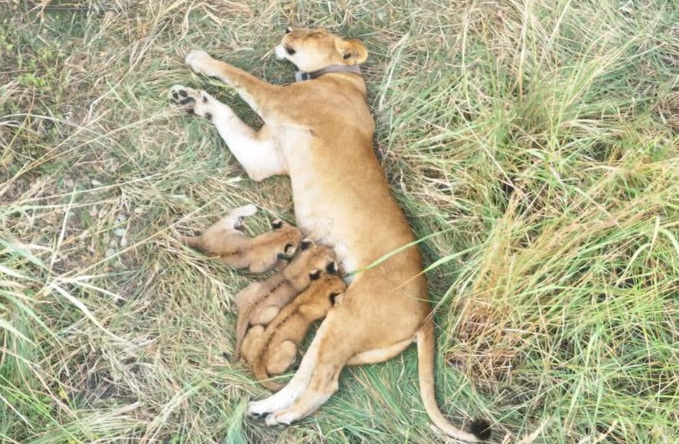
The Uganda Wildlife Authority (UWA) has announced encouraging news from the Ishasha sector of Queen Elizabeth National Park, where a lioness has given birth to three healthy lion cubs during the month of June. The arrival of the cubs is being celebrated as a significant conservation milestone, offering renewed hope for one of Uganda’s most treasured wildlife populations.
While the birth is exciting for wildlife enthusiasts and safari travelers, it also serves as an important reminder that Uganda’s lions continue to face numerous threats. UWA is using this moment to encourage greater public support for lion conservation, emphasizing that protecting these magnificent predators requires collective action from government agencies, local communities, conservation organizations, and tourists alike.
A Symbol of Hope for Uganda’s Lions
The birth of lion cubs is always an encouraging event, but it carries even greater significance in Queen Elizabeth National Park, where lion numbers have declined considerably over the last decade.
Every new cub represents an opportunity to strengthen the park’s breeding population and improve the long-term survival of the famous Ishasha lions. Although not every cub survives to adulthood due to natural challenges, healthy litters are essential for maintaining stable lion populations.
For wildlife rangers who dedicate countless hours to monitoring the prides, the new cubs represent a reward for years of conservation work aimed at protecting Uganda’s endangered predators.
Ishasha, Home of Africa’s Famous Tree-Climbing Lions
The Ishasha sector has earned international recognition because of its remarkable tree-climbing lions. Unlike most lion populations across Africa, these lions frequently spend long hours resting high in the branches of large fig and euphorbia trees.
The behavior continues to fascinate scientists and visitors alike. Although researchers believe climbing trees helps the lions escape heat and biting insects while offering better views of their surroundings, the exact reason remains uncertain.
Regardless of the explanation, witnessing several lions stretched comfortably across tree branches has become one of Uganda’s most iconic safari experiences.
Many international visitors specifically travel to Queen Elizabeth National Park hoping to photograph this extraordinary spectacle.
Good News Amid Troubling Conservation Statistics
The announcement of the cubs comes shortly after researchers released findings that paint a worrying picture of Uganda’s lion populations.
The comprehensive study, conducted across six protected areas, found that lion numbers have dropped dramatically in several parks over the past decade. Queen Elizabeth National Park now supports an estimated 40 lions, while Kidepo Valley National Park has only about 22 individuals remaining.
By contrast, Murchison Falls National Park continues to hold Uganda’s largest lion population, with approximately 240 lions roaming its expansive savannahs.
These figures demonstrate why every successful birth is valuable for the future of Uganda’s wildlife.
Why Lion Conservation Matters
Lions occupy the highest level of the food chain and play an essential ecological role in maintaining balanced ecosystems.
As apex predators, they regulate populations of herbivores such as buffalo, antelope, and other grazing animals. Healthy predator populations help prevent overgrazing, allowing vegetation to regenerate naturally and supporting countless other species that depend on these habitats.
The disappearance of lions would have consequences extending far beyond the species itself, affecting the entire ecosystem.
Protecting lions therefore means protecting the health of Uganda’s national parks as a whole.
Threats Continue to Challenge Lion Survival
Despite the joyful news from Ishasha, conservationists warn that Uganda’s lions remain under significant pressure.
One of the greatest threats is human-wildlife conflict. As communities and livestock settlements expand closer to protected areas, lions occasionally prey on cattle. In retaliation, poisoned carcasses are sometimes left behind, resulting in the deaths of multiple lions from a single incident.
Poaching also continues to take a heavy toll. Although many snares are intended for antelope and other bushmeat species, lions frequently become trapped accidentally, suffering severe injuries or death.
Habitat degradation presents another growing challenge. Expanding agriculture, human settlements, and infrastructure reduce the amount of land available for wildlife while increasing encounters between people and predators.
These combined pressures have contributed to declining lion numbers across much of Uganda.
The Economic Value of Lions
Beyond their ecological importance, lions contribute significantly to Uganda’s tourism industry.
Wildlife safaris remain one of Uganda’s leading tourism attractions, and lions rank among the most sought-after animals for visitors exploring Uganda’s national parks.
Queen Elizabeth National Park owes much of its international reputation to the famous tree-climbing lions of Ishasha. Their unique behavior has become a major selling point for tour operators, photographers, filmmakers, and wildlife enthusiasts from around the world.
Tourism generated by these animals supports thousands of livelihoods, including park rangers, guides, hotel staff, drivers, local artisans, and nearby communities.
Protecting lions, therefore, protects jobs and strengthens Uganda’s tourism economy.
Science Is Guiding Better Conservation
One encouraging aspect of recent conservation efforts has been the increasing involvement of local people in wildlife research.
Scientists collaborated with more than 100 participants—including Uganda Wildlife Authority rangers, lodge guides, university students, and experienced wildlife trackers—to collect valuable information about lions, leopards, and spotted hyenas across Uganda’s protected areas.
This approach has improved understanding of predator populations while building local conservation skills.
Researchers are now expanding these efforts by training community members and field personnel to monitor wildlife more regularly, creating a long-term conservation network capable of detecting changes in lion populations more effectively.
Communities Have a Vital Role
Experts increasingly agree that successful conservation depends on strong partnerships with local communities.
People living near national parks are often the first to notice changes in wildlife populations or emerging conservation threats. Their participation in wildlife monitoring, education programs, and conflict mitigation can significantly improve conservation outcomes.
Initiatives that compensate livestock losses, promote alternative livelihoods, and encourage coexistence between people and wildlife can reduce retaliatory killings while improving community support for conservation.
When surrounding communities benefit from tourism and conservation, they become valuable partners in protecting wildlife.
A Promising Future Begins with Protection
The three newborn lion cubs are an encouraging sign that Queen Elizabeth National Park continues to provide suitable habitat for breeding lions despite ongoing conservation challenges. However, their future is not guaranteed.
Young cubs face numerous natural dangers during their early months, and their survival will depend on healthy prey populations, secure habitat, and continued protection from human-related threats.
For this reason, UWA’s appeal for collective conservation action is both timely and necessary.
Every stakeholder—from wildlife authorities and researchers to tourists and neighboring communities—has a role to play in ensuring these cubs grow into healthy adult lions.
Looking Ahead
The birth of three lion cubs in the Ishasha sector is more than just positive wildlife news—it is a symbol of resilience and hope for Uganda’s conservation future.
As Uganda continues working to reverse declining lion populations, every conservation success deserves recognition. These new cubs remind us that effective wildlife protection can yield encouraging results, even in the face of significant challenges.
With sustained conservation efforts, stronger community engagement, scientific monitoring, and responsible tourism, Uganda can secure a brighter future for its iconic tree-climbing lions.