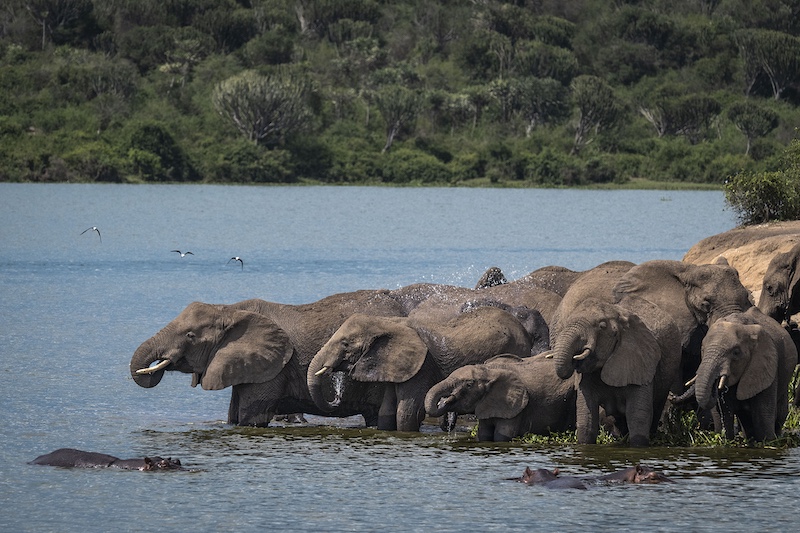
The Uganda Wildlife Authority has officially launched the State of Wildlife Resources in Uganda Report 2026, a landmark publication offering the country’s most comprehensive assessment yet of wildlife populations, biodiversity trends, habitat conditions and conservation challenges.
The report, unveiled in Kampala on Thursday, expands beyond traditional wildlife surveys that focused mainly on large mammals. It now presents a broader national biodiversity account covering flora, fungi, invertebrates, amphibians, reptiles, birds, bats and other mammals, providing what officials described as a fuller scientific picture of Uganda’s natural heritage.
According to the report, Uganda continues to make measurable progress in biodiversity conservation through species recovery programs, strengthened ecosystem protection, habitat restoration efforts and modernization of wildlife monitoring systems.
Uganda remains one of Africa’s richest biodiversity hotspots, with more than 18,000 recorded species of flora and fauna. These include over 4,800 native plant species, more than 1,000 bird species, as well as globally significant populations of mountain gorillas, chimpanzees, elephants and giraffes that play a critical role in ecosystem stability, climate resilience and water regulation.
The report highlights the growing importance of Uganda’s plant diversity, particularly threatened indigenous cycads and crop wild relatives of coffee, sorghum, finger millet, pearl millet and eggplants.
Several medicinal, food, fuel and construction plant species were also identified as being under increasing pressure from land conversion, agricultural expansion, invasive species and climate change.
Officials warned that some of these plants are endemic to Uganda and represent important national genetic resources for food security, ecological restoration and biodiversity resilience.
On the wildlife population front, the report indicates continued recovery among several species under active conservation management. Buffalo populations increased from 32,235 recorded between 2021 and 2022 to 41,548 in the 2023 to 2025 assessment period. Hippopotamus numbers rose from 8,226 to 9,026, while Uganda kob populations increased from 166,526 to 175,109.
Waterbucks increased from 16,638 to 22,623, zebras from 17,762 to 20,942, topis from 1,805 to 3,809, and Nubian giraffes from 2,414 to 2,519.
One of Uganda’s biggest conservation success stories remains the recovery of the Southern White Rhinoceros population, which grew from 43 to 61 animals under sustained breeding and protection programs.
The report also showed that Uganda’s mountain gorilla population remains stable at 459 individuals, while chimpanzee estimates increased from 5,072 to 6,075 across major forest ecosystems.
Despite the gains, the report warns that some flagship species remain under pressure. Elephant populations in monitored protected areas declined from 6,621 to 6,352 between the two assessment periods, while lion numbers reduced from 314 to 291.
The decline, according to the report, underscores the need for intensified habitat protection, prey recovery programs, ecological corridor management and stronger mitigation of human-wildlife conflict.
The publication further warns that Uganda’s wildlife faces mounting pressure from expanding human settlements, agricultural encroachment, infrastructure development, extractive activities and habitat fragmentation. Other major threats identified include invasive alien species, climate variability, illegal wildlife use, unsustainable resource extraction and persistent human-wildlife conflict.
Launching the report, Tom Butime said the findings provide Uganda with an evidence-based national account of its wildlife resources and a strong foundation for conservation planning and sustainable development.
“This report demonstrates that conservation is not only about protecting wild animals. It is equally about safeguarding plant life, habitats, ecological services and the natural systems upon which tourism, climate resilience, water security and community livelihoods depend,” Butime said.
James Kalema, Chairperson of the UWA Board of Trustees, said the report provides critical scientific evidence needed to guide long-term conservation investment and policy prioritization.
“This report gives us a clear measure of where Uganda is registering returns on conservation investment and where institutional attention must now be intensified,” Kalema said.
Meanwhile, James Musinguzi said the publication demonstrates Uganda’s transition toward science-led and technology-assisted biodiversity management through aerial wildlife surveys, SMART ranger patrol systems, EarthRanger collar monitoring, camera trapping and digital ecological databases.
“This publication presents a consolidated national account of where Uganda stands in wildlife conservation today. It shows measurable gains in species restoration, stronger monitoring systems, broader ecosystem understanding and clearer identification of the threats that must now be addressed,” Musinguzi said.
He added that UWA will continue strengthening habitat restoration, invasive species management, wildlife disease surveillance, ecological research and strategic partnerships aimed at securing Uganda’s wildlife for future generations.
The full State of Wildlife Resources in Uganda Report 2026 is available on the Uganda Wildlife Authority publications portal.