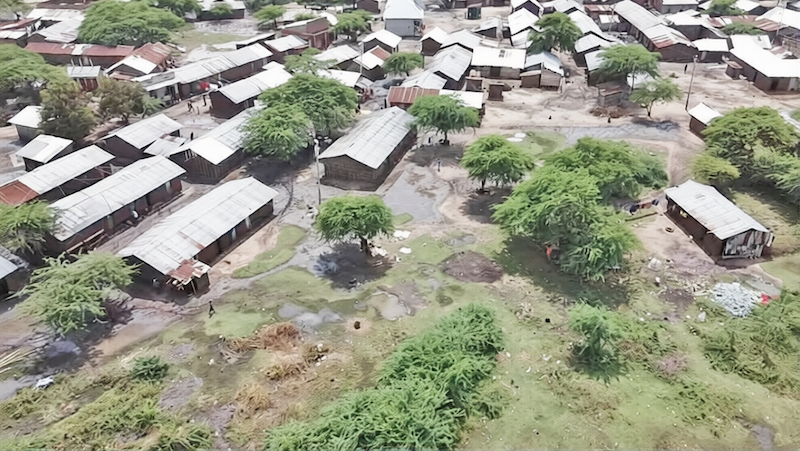
Western Uganda — One of Uganda’s most iconic conservation areas, Queen Elizabeth National Park, is increasingly under threat as climate change-driven pressures begin to reshape its fragile ecosystem, raising concerns among conservationists, local communities, and tourism stakeholders.
Stretching across the districts of Kasese, Rubirizi, Kamwenge, and Rukungiri, the park has long stood as a cornerstone of Uganda’s tourism economy and biodiversity, hosting nearly 100 mammal species and over 600 bird species. Yet, new reports indicate that environmental shifts—particularly those linked to climate change—are steadily eroding this ecological treasure.
Water Turns from Lifeline to Threat
Traditionally, water has been the lifeblood of the park’s ecosystem, supporting wildlife and sustaining fishing communities along Lakes George and Edward. However, this balance is now increasingly disrupted.
Recent findings highlight that extreme weather patterns—ranging from prolonged droughts to destructive flooding—are becoming more frequent. What was once a dependable natural resource is now contributing to ecological instability, with water-related disasters undermining both wildlife habitats and human livelihoods.
Flooding in particular has emerged as a growing threat, submerging grazing areas and altering vegetation patterns critical for herbivores. In contrast, extended dry spells are drying up pasturelands, forcing animals to migrate in search of food and water, often bringing them into conflict with nearby communities.
Wildlife Under Pressure
The changing climate is having a direct impact on wildlife populations. As habitats shrink or become unsuitable, animals are pushed into new territories, disrupting established ecosystems.
Experts warn that such disruptions could lead to reduced breeding success, increased mortality rates, and heightened vulnerability to disease. Reports indicate that climate-related disasters are already affecting wildlife survival within the park, signaling deeper ecological stress.
The iconic tree-climbing lions of Ishasha and large herds of elephants and buffalo now face a future where food scarcity and habitat degradation could become the norm rather than the exception.
Human Activity Compounds the Crisis
While climate change is a major driver, human activity is accelerating the park’s degradation. When the park was gazetted in 1952, several fishing villages were allowed to remain within its boundaries due to their economic importance.
Today, population growth in these enclaves is exerting increasing pressure on natural resources. Encroachment, overfishing, and vegetation clearing are intensifying at a time when the ecosystem is already strained by climate variability.
The shrinking of wildlife dispersal areas outside the park—driven by expanding agriculture and settlement—has further compounded the problem, limiting the natural movement of animals and increasing human-wildlife conflict.
Rising Human-Wildlife Conflict
As climate change alters migration patterns, animals are increasingly straying beyond park boundaries in search of water and pasture. This has led to a surge in human-wildlife conflict, with crops destroyed and occasional attacks reported in surrounding communities.
Such conflicts not only threaten livelihoods but also undermine conservation efforts, as frustrated communities may retaliate against wildlife.
A Tourism Jewel at Risk
The implications extend beyond conservation. Queen Elizabeth National Park is one of Uganda’s most visited parks, forming a key pillar of the country’s tourism sector.
Declining wildlife populations and degraded landscapes could reduce its appeal, affecting revenues that support both conservation and local economies. The park’s famed boat cruises along the Kazinga Channel, game drives, and birdwatching experiences all depend on a stable and thriving ecosystem.
Calls for Urgent Intervention
Environmental experts are now calling for urgent, coordinated action to mitigate the effects of climate change on the park. Proposed measures include strengthening climate resilience strategies, restoring degraded habitats, and enhancing community involvement in conservation.
There is also growing emphasis on integrating local communities into sustainable tourism and conservation initiatives, ensuring they benefit economically while protecting the ecosystem.
Without decisive action, observers warn, climate change could continue to “swallow” one of Uganda’s most valuable natural assets.
A Fragile Future
The unfolding situation in Queen Elizabeth National Park reflects a broader global challenge: protected areas are no longer insulated from climate change.
What happens in this park may well serve as a warning for conservation efforts across Africa. As climate pressures intensify, the future of such ecosystems will depend not only on policy responses but also on the delicate balance between human needs and environmental protection.
For now, Uganda’s crown jewel of wildlife stands at a crossroads—its fate increasingly tied to the shifting climate that surrounds it.