Exciting progress is unfolding at the Kidepo Valley Conservation Area as Uganda steps up efforts to restore one of its most iconic species and strengthen conservation across the Karamoja landscape.
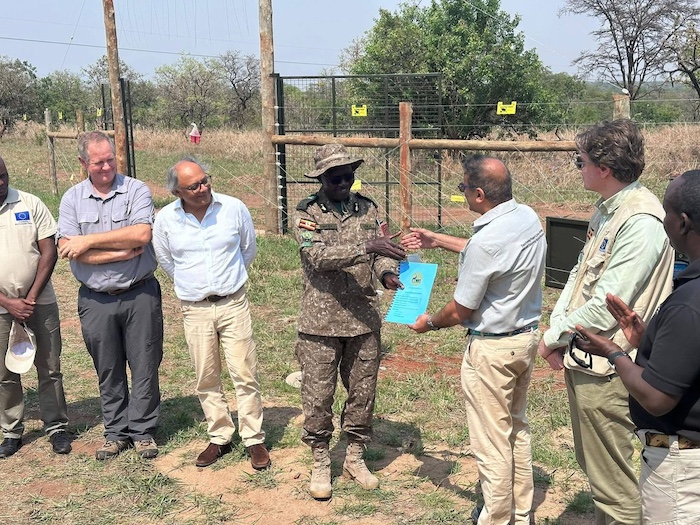
The Uganda Wildlife Authority has officially launched a new Rhino Sanctuary in the Kidepo Valley Conservation Area with support from the EU NaturAfrica Kidepo-Turkana Landscape Project. The development marks a major milestone in Uganda’s long journey to reintroduce rhinos into habitats where they once roamed freely.
The new sanctuary is expected to pave the way for the long anticipated return of rhinos to the region, decades after the species disappeared from many parts of Uganda due to poaching and insecurity. Conservationists describe the move as a bold step toward rebuilding the country’s rhino population while strengthening protection systems in one of Uganda’s most remote and ecologically rich landscapes.
The Kidepo Valley Conservation Area, located in the rugged northeastern region of Karamoja, is already known for its dramatic scenery, unique wildlife species, and cross border ecosystem that connects Uganda with Kenya and South Sudan. By establishing a Rhino Sanctuary within this landscape, authorities aim to expand conservation success beyond traditional protected areas and integrate community led approaches.
Beyond the sanctuary itself, several complementary initiatives have been rolled out to enhance security and operational efficiency. A Joint Operations Command Centre has been commissioned to improve coordination among rangers and security teams. The new facility is expected to streamline intelligence sharing, response planning, and surveillance activities across the conservation area.
In addition, motorcycles have been deployed to strengthen field patrols. The rugged terrain of Karamoja often makes access difficult, particularly during the rainy season. The motorcycles will enable rangers to respond more quickly to threats, conduct routine patrols more efficiently, and maintain a visible presence across vast stretches of land. Officials say the improved mobility will significantly enhance anti-poaching operations and wildlife monitoring.
The unveiling of the Rhino Sanctuary, together with these operational upgrades, signals a comprehensive approach to conservation. Rather than focusing solely on species reintroduction, the strategy emphasizes security, infrastructure, and community partnership as equally important pillars.
Officials from the Uganda Wildlife Authority say the initiative is aligned with broader national conservation goals. Uganda has made steady progress in wildlife recovery over the past two decades, with populations of elephants, lions, and other species showing encouraging trends in several national parks. The reintroduction of rhinos into new landscapes is viewed as the next frontier in that success story.
A key feature of the project is its focus on human-wildlife coexistence. Communities living around the Kidepo Valley Conservation Area are expected to play an active role in the sanctuary’s management and long-term sustainability. Community conservancies are being empowered through engagement, training, and shared conservation benefits. By involving local people as partners rather than bystanders, authorities hope to reduce human-wildlife conflict and create sustainable livelihoods linked to conservation.
The Karamoja landscape has historically faced challenges, including limited infrastructure and economic opportunities. Conservation leaders believe that responsible wildlife management can serve as a catalyst for development by attracting tourism, creating jobs, and encouraging investment in the region.
Support from the European Union through the NaturAfrica Kidepo Turkana Landscape Project has been instrumental in bringing the Rhino Sanctuary to life. The project promotes biodiversity conservation while supporting local livelihoods across the transboundary ecosystem that links Uganda and Kenya. Its involvement underscores the importance of international partnerships in addressing conservation challenges that cross borders.
Environmental experts say the restoration of rhinos is not only symbolic but also ecologically significant. Rhinos play a critical role in shaping vegetation and maintaining balanced ecosystems. Their return could help restore natural processes that have been absent from parts of Uganda’s landscapes for decades.
As preparations continue for the eventual reintroduction of rhinos, conservation teams will focus on habitat assessment, security reinforcement, veterinary readiness, and community sensitization. Authorities stress that the process will be gradual and carefully managed to ensure the safety of both wildlife and surrounding communities.
Local leaders in Karamoja have welcomed the initiative, noting that conservation efforts can create new opportunities while preserving cultural and natural heritage. Community engagement sessions have highlighted the importance of shared responsibility in protecting wildlife resources.
The launch of the Rhino Sanctuary, commissioning of the Joint Operations Command Centre, and deployment of motorcycles together represent more than infrastructure upgrades. They reflect a renewed commitment to safeguarding Uganda’s wildlife and building resilience in conservation systems.
For Uganda, the project represents both a restoration of the past and an investment in the future. With strong partnerships, improved security measures, and community involvement, the Kidepo Valley Conservation Area is positioning itself as a model for integrated conservation in East Africa.
As rhino reintroduction plans move forward, the initiative stands as a testament to collaborative conservation. Stakeholders say continued cooperation between government agencies, international partners, and local communities will be key to ensuring that the Karamoja landscape thrives for generations to come.